
Roofing Agency

Faith Xiong

Top Causes of Roof Leaks in Minnesota Homes and How to Address Them

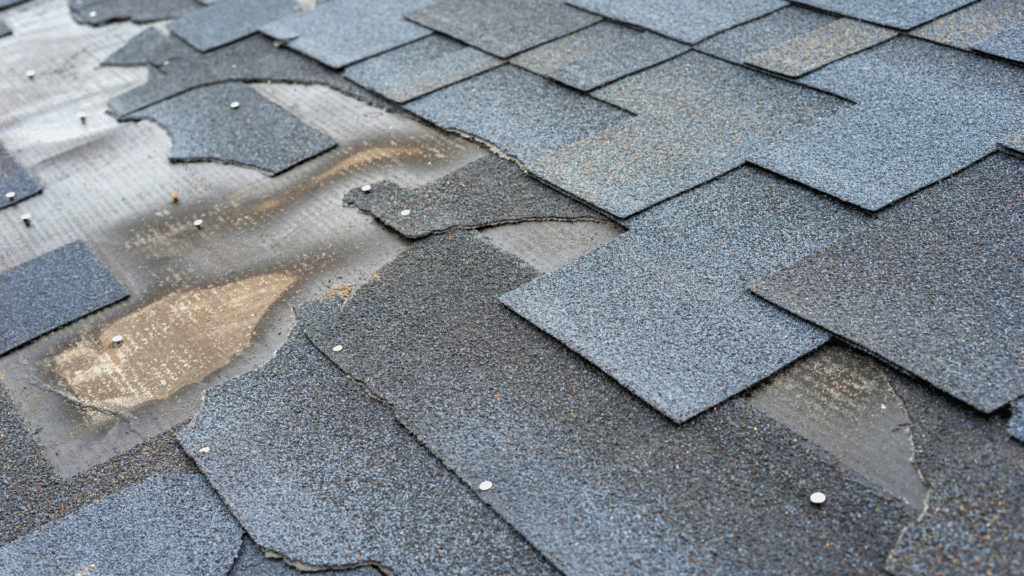
Top Causes of Roof Leaks in Minnesota Homes and How to Address Them Top Causes of Roof Leaks in Minnesota Homes and How to Address Them Minnesota’s weather can be harsh and unpredictable. From heavy snow and ice to spring thunderstorms and summer hail, our roofs take a beating year-round. Unfortunately, all that exposure can lead to one of the most common homeowner headaches: roof leaks. At Specialty Work Services, we help homeowners across Minnesota tackle leaks quickly and effectively. In this guide, we’ll break down the most common causes of roof leaks and explain how you can address them before they cause major damage. Whether you’ve already noticed a drip or just want to stay prepared, this article will give you the information you need to protect your home. Why Roof Leaks Happen in Minnesota Roof leaks often start small, but left untreated, they can lead to expensive repairs. Understanding what causes leaks helps you catch problems early and prevent bigger issues down the road. In Minnesota, we see a few causes pop up more than others. These include: Extreme temperature changes   Ice dams and heavy snow loads   Hail and windstorms   Poor roof installation or aging materials   Clogged gutters   Flashing failures around chimneys, vents, and skylights   Each of these factors presents unique challenges — and requires specific solutions to protect your home. 1. Ice Dams and Snow Accumulation One of the most notorious winter problems in Minnesota is ice damming. Ice dams form when snow melts on your roof, trickles down to the colder eaves, and then refreezes. As the ice builds up, it traps water behind it, which can seep under shingles and leak into your attic and walls. Signs of ice dams include: Large icicles hanging from gutters   Water stains on ceilings or walls during winter   Areas of the roof where snow melts unevenly   If you notice these warning signs, it’s important to act quickly. Solutions to prevent ice dams: Improve attic insulation to prevent heat loss   Ensure proper roof ventilation to maintain even roof temperatures   Safely remove snow buildup using a roof rake   Call a professional to install ice and water shield membranes or heat cables   Preventing ice dams is one of the best ways to keep winter roof leaks at bay. 2. Damaged or Missing Shingles High winds, hail, and normal aging can crack, loosen, or completely remove shingles from your roof. When shingles are missing or compromised, your roof’s underlayment becomes exposed to the elements. This makes your home much more vulnerable to leaks. How to spot damaged shingles: Look for shingles in your yard after a storm   Check your roof for patches that look uneven or bare   Watch for granule loss in gutters, which signals aging shingles   It’s a good idea to inspect your roof after any major weather event. Solutions for damaged shingles: Replace missing or damaged shingles promptly   Schedule regular roof inspections, especially after storms   Consider upgrading to impact-resistant shingles designed for Minnesota’s tough weather   A little maintenance now can prevent major water damage later. 3. Flashing Failures Flashing is the metal installed around chimneys, vents, skylights, and valleys to direct water away from critical seams. Over time, flashing can crack, corrode, or pull away from the roof, leading to leaks around these vulnerable areas. Warning signs of flashing problems: Water stains around your chimney or skylights   Rusty or visibly lifted flashing   Dripping water near roof penetrations during rainstorms   When flashing fails, water quickly finds its way inside. Solutions for flashing issues: Seal minor gaps with roofing caulk as a temporary fix   Replace damaged flashing with professional-grade materials   Hire a pro to ensure flashing is installed with a watertight seal   Proper flashing is essential for a leak-free roof. 4. Clogged Gutters and Downspouts Gutters and downspouts play a major role in protecting your roof and home from water damage. When they become clogged with leaves, debris, or ice, water backs up and can seep under your shingles, causing leaks along the eaves. Common indicators of gutter problems: Overflowing gutters during rainstorms   Water pooling around your home’s foundation   Visible plant growth in your gutters   If you see these signs, it’s time to take action. Solutions for clogged gutters: Clean gutters at least twice a year, ideally in spring and fall   Install gutter guards to reduce debris buildup   Check downspouts for clogs and ensure they direct water away from your home   Maintaining your gutters is a simple but powerful way to prevent leaks. 5. Aging Roof Materials Even the best-installed roofs don’t last forever. As roofing materials age, they naturally weaken and lose their ability to shed water effectively. Signs your roof may be aging include: Curling, cracking, or brittle shingles   Bald spots where shingle granules have worn away   Sagging rooflines or soft spots when walked on   An old roof is an open invitation for leaks. Solutions for aging roofs: Replace your roof when it nears the end of its expected lifespan (typically 20–30 years)   Schedule annual inspections to catch early signs of wear   Invest in high-quality roofing materials for your next replacement   Catching aging issues early can save you thousands in repairs. What to Do if You Notice a Roof Leak If you spot signs of a leak, it’s critical to act quickly. Every hour you wait increases the risk of water damage, mold growth, and costly structural problems. Immediate steps to take: Contain any dripping water with buckets or towels   Move furniture and valuables out of the affected area   Document the damage with photos for insurance purposes   Call Specialty Work Services for a professional roof inspection and repairs   Temporary DIY fixes are helpful, but permanent repairs must be handled professionally. How Specialty Work Services Can Help At Specialty Work Services, we specialize in diagnosing and repairing roof leaks quickly

Top Causes of Roof Leaks in Minnesota Homes and How to Address Them Read More »
Emergency Roof Repair: What to Do When You Discover a Leak

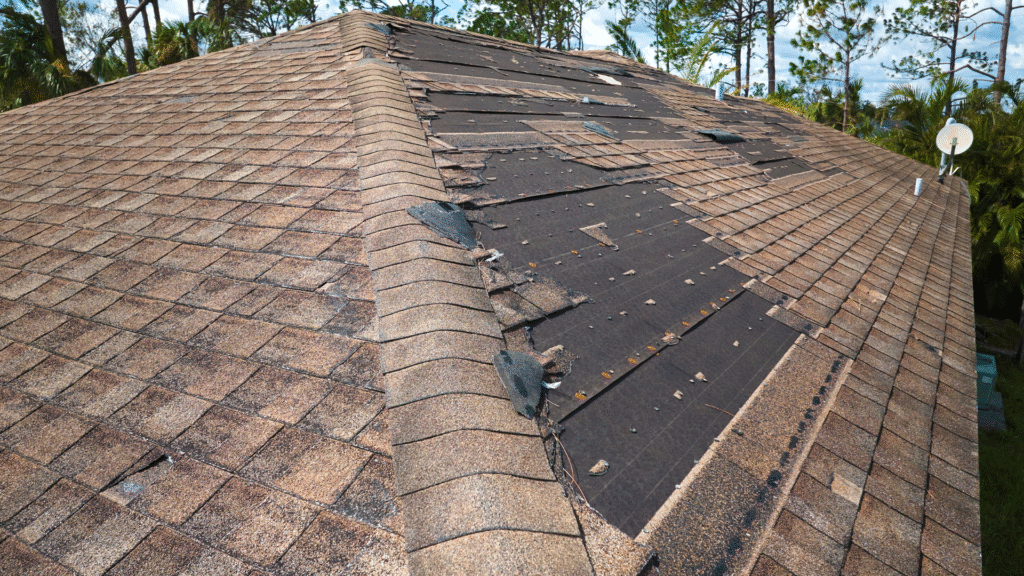
Emergency Roof Repair: What to Do When You Discover a Leak Emergency Roof Repair: What to Do When You Discover a Leak A leaking roof can catch you off guard. Whether it’s a slow drip or a full-on gush during a storm, roof leaks are stressful and potentially damaging. Knowing how to respond quickly can save you time, money, and frustration. At Specialty Work Services, we understand the urgency behind roof leaks and emergency repairs. That’s why we created this step-by-step guide to help you handle the situation confidently and calmly. In this article, you’ll learn how to identify a leak, what to do right away, and when to call in professional help. We’ll also cover temporary solutions and tips for preventing future roof issues. Recognizing the Signs of a Roof Leak Before you can take action, you need to know what to look for. Not all roof leaks are dramatic. Some develop slowly over time, silently damaging your home behind the scenes. One of the first signs many homeowners notice is a discolored spot on the ceiling. These water stains may appear yellowish or brown. They often signal that moisture is seeping through the roof and into the drywall. Another common symptom is peeling paint or bubbling plaster on your walls or ceilings. You might even detect a musty smell caused by trapped moisture or mold growth. If you have access to your attic, a quick inspection can reveal wet insulation, rotting wood, or water trickling down roof joists. Even sunlight peeking through the roof boards can indicate gaps or missing shingles. Immediate Steps to Take When You Find a Leak Once you realize you have a roof leak, it’s important to take action right away. Every moment counts, especially when dealing with water. Step 1: Contain the Water Use buckets, pans, or towels to catch the dripping water. Lay down old blankets or tarps to protect floors and furniture. The goal here is to stop the water from spreading to other parts of your home. Step 2: Move Valuables Away If the leak is near electronics, rugs, or furniture, move them out of the way. Water and electronics don’t mix, and soft materials like carpets can become moldy quickly. If you can’t move large furniture, cover it with plastic sheeting or trash bags as a temporary shield. Step 3: Relieve Ceiling Pressure Is your ceiling bulging? This is usually a sign that water is pooling above. Carefully poke a small hole in the center of the bulge using a screwdriver or similar tool. While this may seem risky, controlled drainage can prevent a sudden ceiling collapse and limit further damage. Step 4: Take Photos and Notes Document everything. Photos and notes will help your roofer understand the extent of the problem and assist you when filing insurance claims. Snap pictures of water damage, stains, puddles, and any visible roof issues like missing shingles or cracked flashing. Step 5: Try to Locate the Source If it’s safe, step outside and look at your roof. Are there obvious signs of storm damage? Are shingles missing? Is there debris in the gutters? Inside the attic, follow water trails or inspect roof vents and skylights for gaps. Every detail helps your roofer pinpoint the problem faster. Temporary Fixes to Slow the Leak In some cases, you can perform a temporary patch to hold you over until a professional arrives. These aren’t long-term fixes, but they can prevent further damage in the short term. One of the most effective emergency methods is to cover the damaged area with a plastic tarp. Make sure the tarp extends past the damaged section and is tightly secured with nails or heavy objects. Roofing tape or sealant can help plug small gaps, especially around flashing, chimneys, or vents. You can find these supplies at most hardware stores. Inside the home, placing a board inside your catch bucket will stop the water from dripping loudly, which can help you sleep or focus while waiting for repairs. However, always prioritize safety. Never climb on the roof during a storm or if the structure seems compromised. Why Emergency Roof Repair Shouldn’t Wait Delaying roof repair might seem like the easier option, but it can cause significant problems. Water damage spreads quickly. Within hours, it can seep into insulation and wood framing. Within a day or two, mold can begin growing inside your walls. Long-term exposure can weaken the structural integrity of your roof, attic, and even your foundation. What started as a small leak could eventually require thousands of dollars in repairs. It’s also important to act fast for insurance reasons. Many policies require immediate documentation and repair efforts. Waiting too long could lead to a denied claim. That’s why Specialty Work Services responds quickly to all emergency calls and provides fast, honest assessments. When to Call Specialty Work Services The best time to call a professional roofing contractor is as soon as you spot the leak. Even if you’ve managed to contain it temporarily, a trained team will inspect the area thoroughly and provide a lasting fix. At Specialty Work Services, we specialize in: Emergency roof repair   Shingle and flashing replacement   Leak detection and waterproofing   Full roof replacements, if needed   Storm damage repair and insurance support   We proudly serve homeowners and businesses with fast, efficient, and affordable roofing solutions. How to Prevent Roof Leaks in the Future While emergencies can’t always be avoided, preventive maintenance goes a long way. Regular roof care helps you avoid costly surprises down the line. Roof maintenance tips: Schedule a professional inspection at least once a year   Keep gutters and downspouts clean   Trim back trees that hang over your roof   Check attic insulation and ventilation   Watch for signs of aging or curling shingles   Ensure roof penetrations like chimneys and skylights are sealed   Specialty Work Services offers affordable maintenance plans to keep your roof strong year-round. Why Homeowners Trust Specialty Work Services As

Emergency Roof Repair: What to Do When You Discover a Leak Read More »